Diplopia (Double Vision)

Introduction
Diplopia, also known as double vision, happens when there is a mismatch in images produced by the eyes.
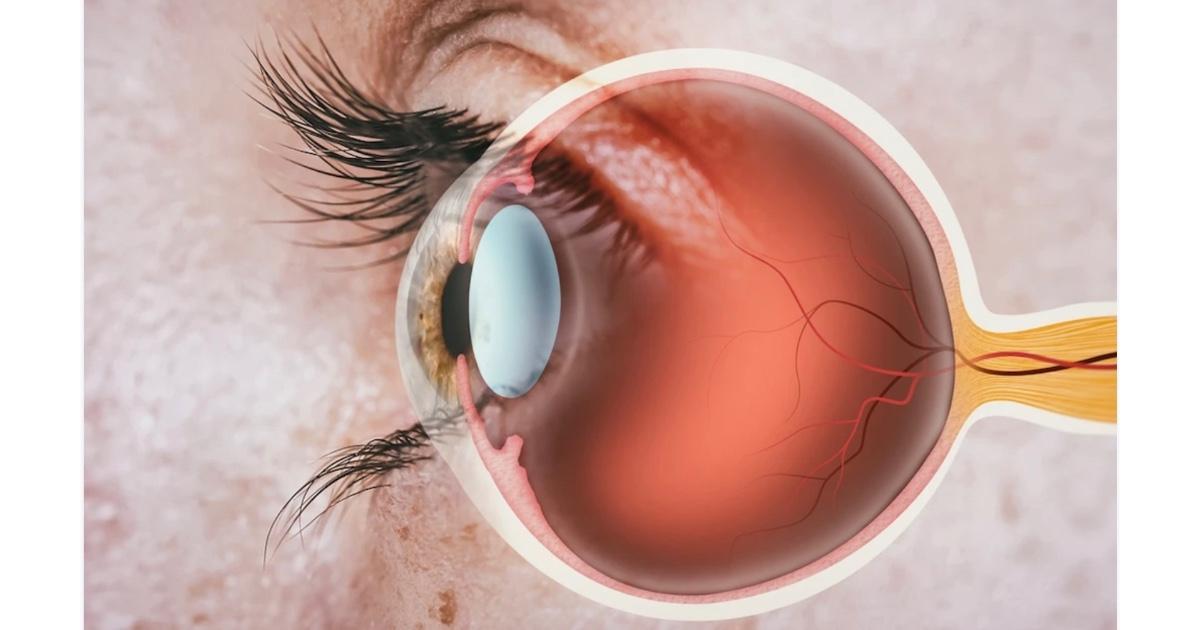
Binocular vision develops because the brain can fuse the separate images from each eye into a single image. This is aided by the extra-ocular muscles, which ensure both eyes look directly at the same object. One of the most important features of binocular vision is that it indicates the depth of field of view and the ability to judge distances.
If this mechanism fails (due to a problem with the ocular muscles or nerves), diplopia occurs.
In young children, diplopia will result in the suppression of one image and, if left untreated, can permanently reduced vision (amblyopia) in the affected eye.
Double vision is a common patient presentation and requires accurate assessment to determine the underlying cause of the diplopia. This article will outline an approach to the assessment and diagnosis of diplopia.
Common Types of Diplopia Tests
Cover-Uncover Test: The doctor covers and uncovers each eye while you look at a target to see if the eyes move to fixate, which reveals a manifest misalignment (tropia)
Alternate Cover Test: The doctor rapidly moves a cover back and forth between your eyes to break fusion and detect hidden misalignments (phoria)
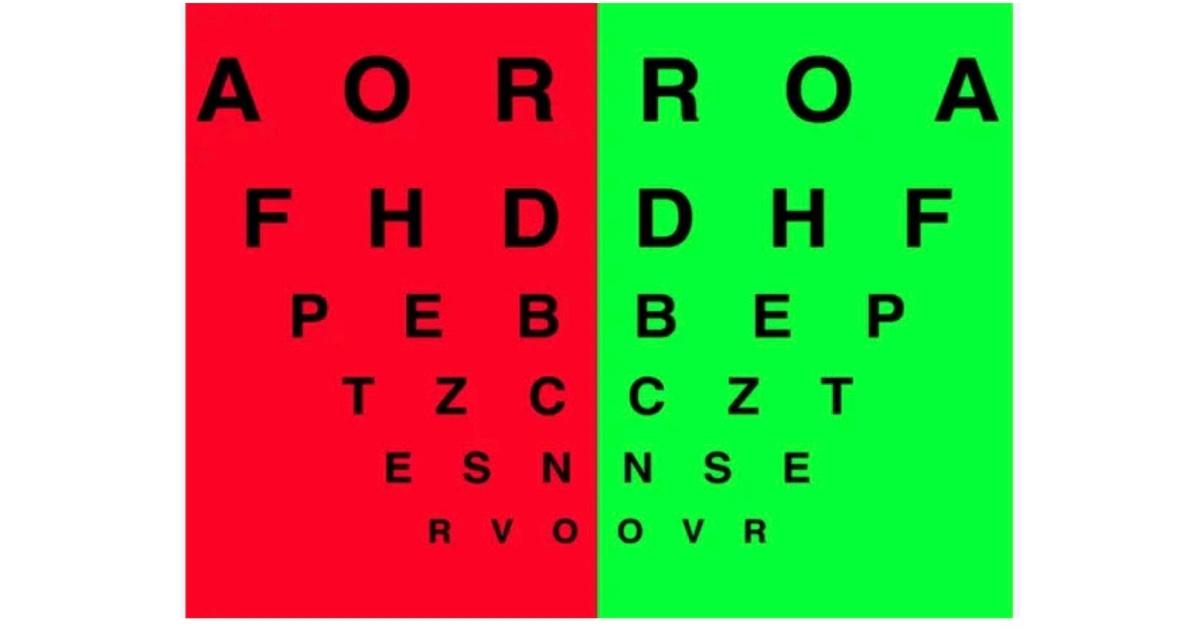
Red Glass / Red-Green Test: You wear colored goggles or look through a red filter while tracking a light source to identify which eye produces which image and whether the double vision is crossed or uncrossed
Ocular Motility Exam: You follow a light or finger through nine distinct directions of gaze to find out where the double vision worsens and which eye muscle or cranial nerve is weak.
Maddox Rod Test: A specialized lens converts a point of light into a line of light to measure subtle horizontal or vertical misalignments precisely
Symptoms and Causes
What are diplopia symptoms?
Other than seeing double, you might experience other symptoms if you have diplopia. You might have:
What causes double vision?
Lots of eye problems can cause double vision. Anything that affects your brain, your eyes or the nerves and muscles that control them can lead to diplopia.
Some examples include:
Abnormalities in your iris (the colored part of your eye).
Cranial nerve issues.
Proptosis (bulging eyes).
Head injuries.
Diplopia risk factors
Anyone can experience double vision, but it’s most common in adults older than 60.
Having certain neurological or other health conditions can increase your risk, including:
Diabetes (including diabetes-related retinopathy).
Diagnosis and Tests
How do providers diagnose diplopia?
An eye care specialist will diagnose double vision and what’s causing it. They’ll give you an eye exam and check your vision with a visual acuity test.
If you have monocular diplopia, you likely won’t need additional tests. If you have binocular diplopia, you might need:
These tests will help your eye care specialist see all the parts of your eyes and the area around them to identify issues with your bones, muscles, brain or spine that might cause double vision.
Management and Treatment
How do you fix double vision?
Which treatments you’ll need depends on what’s causing diplopia. Your eye care specialist or healthcare provider will treat the cause.
Some people only need new (or adjusted) glasses or contacts. You might have to cover one eye for a while or wear a special contact lens to help your eyes regain their usual sight.
Your eye care specialist will walk you through how to manage your symptoms, including getting rid of the diplopia