Aphakia
Optical Changes in Aphakia
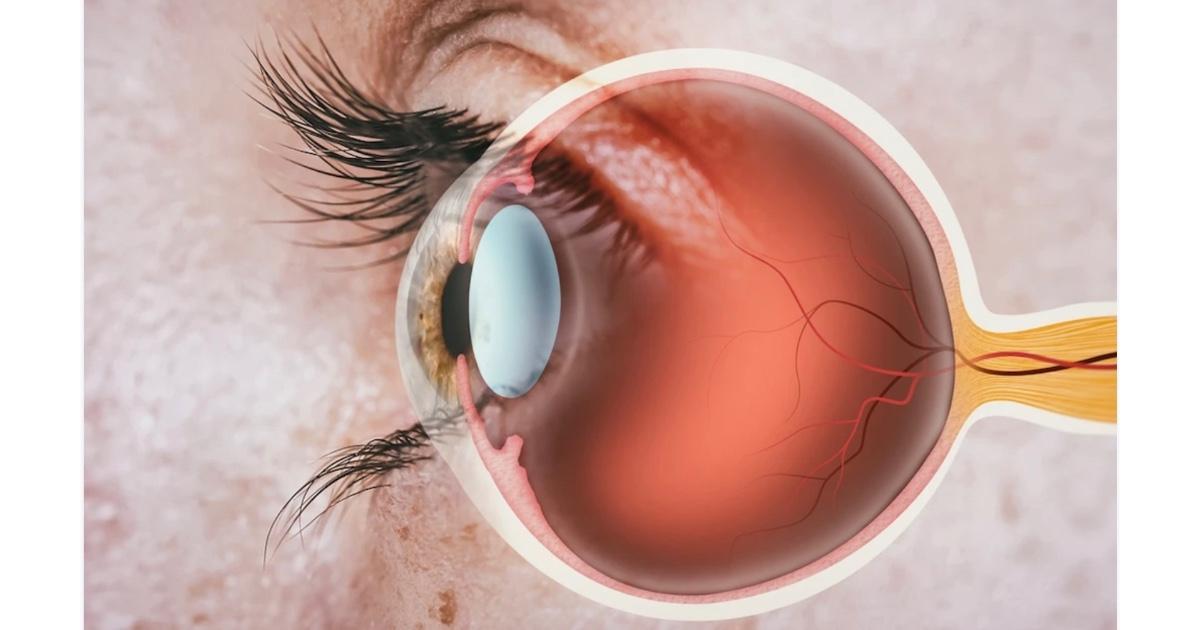
Extreme Farsightedness: The eye loses about +20 diopters of optical power, making it very high hyperopic (+44 D total power).
Loss of Accommodation: The eye cannot change focus for near and distance vision.
Focal Point Shift: The focal points move far forward and backward outside the normal eye structure.
Symptoms and Causes
Blurred vision.
Problems seeing things that are close and far away.
Problems seeing the brightness of colors. Colors may seem to be faded. This isn’t the same thing as color blindness.
An iris that jiggles. This is called iridodonesis.
Problems adjusting to differences in how far away or close something is.
Optical Correction Methods
Spectacles (Glasses): High convex lenses (+10.00 D or more) correct the vision but enlarge the retinal image by about 25% to 35%. They cause peripheral distortions, a ring-shaped blind spot (roving ring scotoma), and depth perception problems.
Contact Lenses: Special high-power contact lenses limit image magnification to about 6% to 8%, reduce optical aberrations, and provide a wider field of view.
Intraocular Lenses (IOLs): Artificial lens implants placed during or after surgery replace the natural lens permanently and restore the most natural retinal image size
Aphakia caused by surgery
Cataract surgery is the most common procedure that results in removing a lens from your eye. During surgical treatment, the surgeon removes the clouded lens and usually replaces it with an artificial lens. These intraocular lenses (IOLs) are used in most cataract surgeries. However, surgeons may decide not to implant lenses in some babies or children.