Cataract
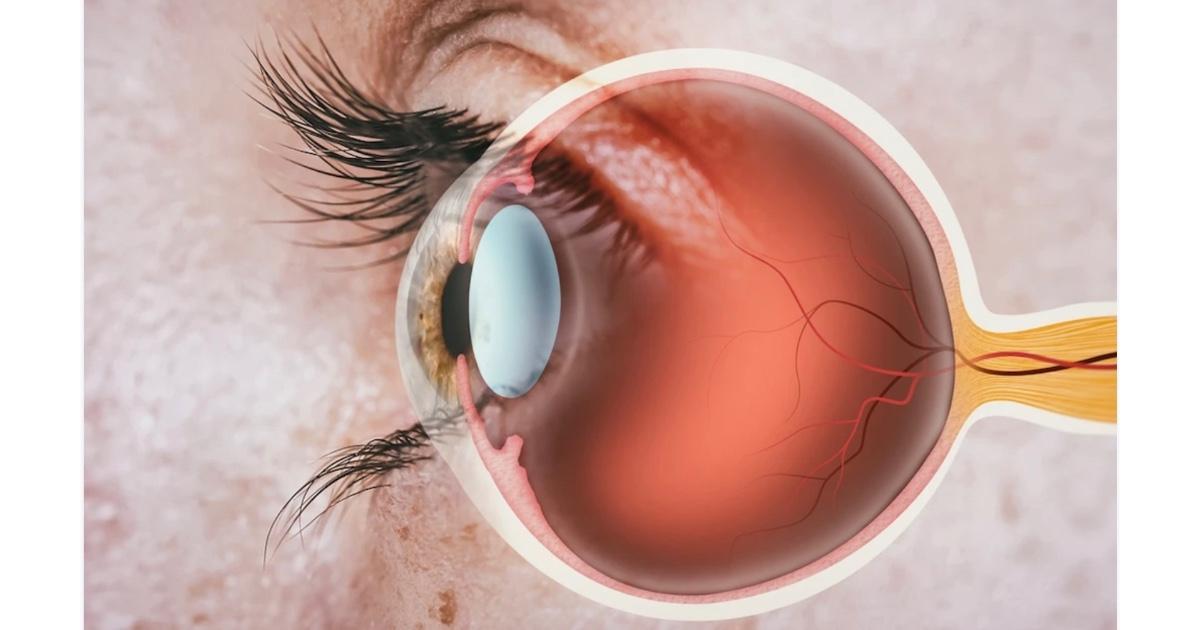
A cataract is a cloudy or foggy area in the natural lens of the eye that causes blurred or impaired vision
Main Types by Location
Nuclear Nuclear cataracts: Form in the center (nucleus) of the lens. They are the most common type and usually result from aging. They cause the center to turn yellow or brown, gradually blurring distance vision
Cortical Cortical cataracts: Form in the outer edge (cortex) of the lens. They look like white, wedge-shaped spokes that stretch toward the center. They scatter light and cause severe glare
Posterior Subcapsular Posterior subcapsular cataracts: Form at the back of the lens, right in the path of light. They progress faster than other types and heavily affect reading and night vision
Symptoms
Blurry, cloudy, or dim vision
Halos or starbursts around lights at night
Trouble seeing well at night or in bright sunlight
Fading or yellowing of colors
Frequent updates needed for eyeglasses
Causes and Risk Factors
Aging, which breaks down proteins and fibers inside the lens
Eye injuries or past eye surgeries
Medical conditions such as diabetes
Long-term use of steroid medications
Smoking and excessive sun exposure
Treatment
Early stages: Stronger lighting and updated eyeglass prescriptions can help manage mild symptoms.
Surgery: When vision loss interferes with daily activities like reading or driving, an Ophthalmologist can surgically remove the cloudy natural lens and replace it with a clear artificial intraocular lens